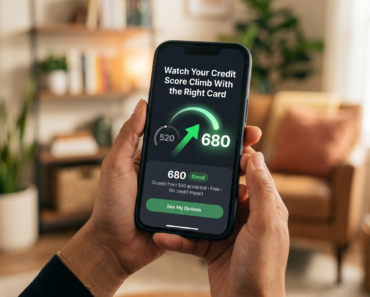
Having bad credit doesn’t mean you’re out of options. The right credit card can actually be one of the most powerful tools for rebuilding your score — as long as you use it strategically. Whether you’ve dealt with late payments, high debt, or even bankruptcy, these five cards are designed to give you a second chance and a clear path forward.
Here’s our breakdown of the best credit cards for bad credit in 2026.
1. Capital One Quicksilver Secured Cash Rewards Credit Card
Best Overall for Bad Credit
If you only look at one card on this list, make it this one. The Capital One Quicksilver Secured is one of the rare bad-credit cards that actually rewards you for spending — you’ll earn 1.5% cash back on every single purchase, which rivals what many cards offer people with excellent credit.
Here’s what makes it stand out:
- $0 annual fee
- 1.5% cash back on all purchases
- Reports to all three major credit bureaus
- Capital One reviews your credit limit after just 6 months — you may qualify for an increase or even upgrade to an unsecured card
You’ll need a refundable security deposit to open the account, but this card is a genuine stepping stone to something better. If you’re serious about rebuilding, this is your best bet.
2. Bank of America Unlimited Cash Rewards Secured Credit Card
Best for Earning Cash Back While You Rebuild
Bank of America’s secured card punches above its weight. For the first year, you’ll earn 2% cash back on all purchases — and 1.5% after that. Combine that with no annual fee and you’ve got a card that’s genuinely rewarding you while you do the work of improving your score.
Key details:
- $0 annual fee
- 2% cash back for the first year (1.5% after)
- Minimum $200 security deposit required
- Your deposit amount becomes your credit limit
The deposit requirement is the main hurdle, but every secured card worth using requires one. Think of it as investing in your financial future.
3. Discover it® Secured Credit Card
Best for Gas & Dining Rewards
Discover’s secured card is a longtime favorite in the bad-credit space — and for good reason. You’ll earn 2% cash back at gas stations and restaurants (up to $1,000 in combined purchases per quarter) plus 1% on everything else. Discover also matches all the cash back you earn in your first year, effectively doubling your rewards.
Why it works:
- No annual fee
- 2% cash back on gas & dining
- First-year cash back match (huge value)
- Discover reviews your account starting at month 7 to see if you qualify for an unsecured upgrade
The security deposit can go up to $2,500, so your limit scales with what you put in. It’s a great card for people who spend consistently at the pump or eating out.
4. Chime Card™
Best for No Credit Check & Automated Payments
The Chime Card is built for people who want the simplest, most foolproof path to rebuilding credit. There’s no credit check to apply, no annual fee, no interest charges, and you can automate your payments so you literally never miss one.
What makes it unique:
- No credit check required
- No security deposit — backed by your linked Chime account balance
- $0 annual fee, $0 interest
- AutoPay keeps your payment history clean automatically
The catch: you need to be a Chime banking customer. And because it works more like a debit card with credit-building benefits, it’s a bit different from a traditional credit card. But for someone who’s been burned before and wants guardrails, this card delivers.
5. OpenSky® Secured Visa® Credit Card
Best for the Most Damaged Credit
If your credit is severely damaged — we’re talking multiple collections, bankruptcy, or scores below 500 — the OpenSky Secured Visa is your best option. It’s one of the only secured cards that doesn’t require a credit check at all, which means almost anyone can qualify.
The basics:
- No credit check to apply
- Reports to all three major credit bureaus every month
- Minimum $200 deposit
- Small annual fee applies
You’ll still need to meet income requirements, but the absence of a credit check makes this card uniquely accessible. It’s a no-frills card — no rewards, no bells and whistles — but it does its job: helps you establish a positive payment history so you can eventually qualify for something better.
The Bottom Line: How to Use These Cards to Actually Rebuild Your Credit
Getting one of these cards is step one. What you do with it matters more. Here’s the simple playbook:
- Use the card for small, regular purchases — think gas, groceries, or a streaming subscription
- Pay your balance in full every month — avoid carrying a balance and paying interest
- Keep your utilization below 30% — if your limit is $200, don’t charge more than $60 at a time
- Be patient — most people see meaningful credit score improvement within 6–12 months of responsible use
The goal isn’t to rely on these cards forever. It’s to build enough of a track record that you can graduate to a card with real rewards and no deposit. Treat it like a credit-building tool, not a spending account.
Always review current terms and rates directly with the card issuer before applying, as APRs, fees, and offers can change.