If you’re thinking about becoming a medical courier, one of the first questions you probably have is:
“How much can I actually make?”
The good news:
Medical couriers are in high demand nationwide — and the pay is often higher than standard delivery apps because you’re transporting essential healthcare materials.
Below is a complete breakdown of average courier pay in every U.S. state for 2025, plus tips on how to maximize your earnings.
📌 What Affects Courier Pay?
Before we go state by state, here’s what influences your earnings:
-
Population size → more hospitals, clinics, labs
-
Density → more stops, shorter travel
-
Healthcare infrastructure → more consistent routes
-
Competition → fewer couriers means higher pay
-
Your reliability + dispatch relationship
Most couriers earn between $800–$1,500 per week, depending on city and route type.
📊 Average Medical Courier Pay by State (2025)

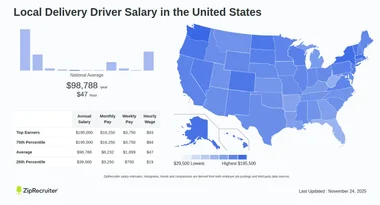
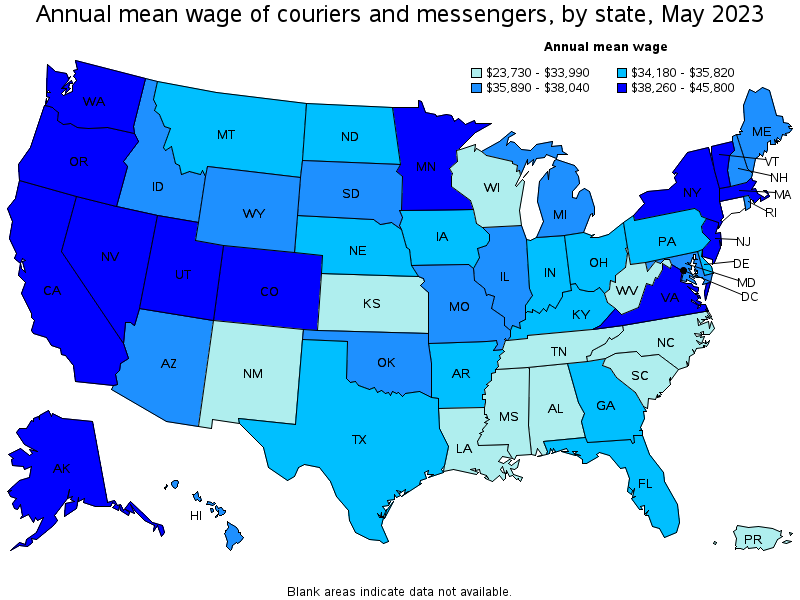
Below are the estimated weekly earnings if you work full time (35–50 hours).
These are based on reports from courier companies, driver surveys, and market demand.
Highest-Paying States (Top Tier: $1,200–$1,500/week)
These states have huge medical networks + strong courier demand:
-
California
-
Texas
-
Florida
-
New York
-
Illinois
-
Georgia
-
North Carolina
These markets offer steady work, night routes, and high-density deliveries.
Mid-High Paying States ($1,000–$1,250/week)
Strong regional hospitals + growing diagnostic labs:
-
Arizona
➡️ Phoenix booming -
Washington
-
Colorado
-
Virginia
-
Maryland
-
Pennsylvania
-
Michigan
-
New Jersey
-
Tennessee
-
Massachusetts
Perfect for new couriers wanting reliable routes.
Moderate-Paying States ($850–$1,050/week)
Balanced workload + stable earnings:
-
Minnesota
-
Ohio
-
Oregon
-
Missouri
-
Indiana
-
Alabama
-
Nevada
-
Louisiana
-
South Carolina
-
Kentucky
-
Oklahoma
Great starter states — lower competition, easier onboarding.
Lower-Density States ($700–$900/week)
Fewer facilities overall, but longer routes often pay more per trip:
-
Iowa
-
Kansas
-
Nebraska
-
Arkansas
-
Wisconsin
-
Mississippi
-
Utah
-
West Virginia
-
New Mexico
-
Idaho
-
Hawaii (variable)
These are ideal for drivers who prefer rural or long-distance routes.
Light-Demand States ($650–$850/week)
Smaller populations → fewer routes, but still steady for part-timers:
-
Maine
-
Rhode Island
-
Delaware
-
Vermont
-
Wyoming
-
Montana
-
South Dakota
-
North Dakota
-
Alaska (seasonal fluctuations)
Still a great opportunity for supplemental income or flexible work.
🧮 State-by-State Quick Reference Table
| Pay Level | Weekly Income | States |
|---|---|---|
| ⭐⭐⭐⭐ Top Tier | $1,200–$1,500 | CA, TX, FL, NY, IL, GA, NC |
| ⭐⭐⭐ High | $1,000–$1,250 | AZ, WA, CO, VA, MD, PA, MI, NJ, TN, MA |
| ⭐⭐ Moderate | $850–$1,050 | MN, OH, OR, MO, IN, AL, NV, LA, SC, KY, OK |
| ⭐ Low-Density | $700–$900 | IA, KS, NE, AR, WI, MS, UT, WV, NM, ID, HI |
| ⭐ Light Demand | $650–$850 | ME, RI, DE, VT, WY, MT, SD, ND, AK |
🤑 How to Earn on the Higher End in ANY State

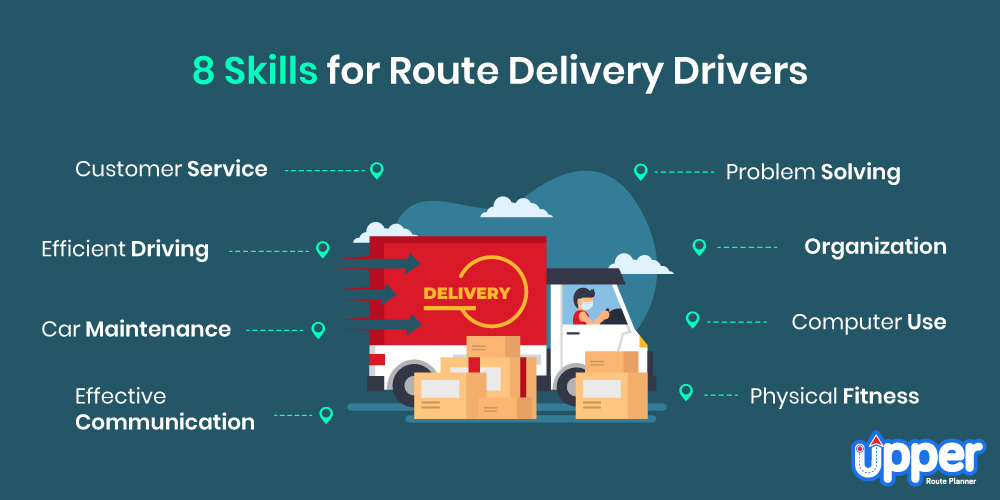
Regardless of where you live, you can boost earnings by:
1️⃣ Getting HIPAA certified
Companies reward certified drivers with priority routes.
2️⃣ Using route-optimizer apps
Circuit Route Planner, Waze, Google Maps → fewer miles, more drops.
3️⃣ Building strong dispatch communication
Be the driver they trust → get the best routes.
4️⃣ Working evening or night shifts
These often pay a premium.
5️⃣ Choosing lab routes over pharmacy routes
Specimen routes usually pay more and are more consistent.
🚀 Final Takeaway
Every state needs medical couriers — but if you want top income, choose:
✔ Dense cities
✔ Large hospital networks
✔ High lab activity
✔ Strong dispatcher relationships
Whether you want side income or a full-time healthcare logistics career, this is one of the fastest ways to start earning real weekly pay with your own vehicle.