Most people think medical couriers only deliver “lab samples,” but the truth is… the medical courier world is much bigger — and much more important — than that.
If you’re considering becoming a medical courier, or you’re already working in the field, understanding exactly what you transport will make you more confident, more professional, and more prepared for the job.
This guide breaks down every major item couriers deliver in 2025 — from biohazard specimens to pharmacy supplies to paperwork — in clear, beginner-friendly language.
1️⃣ Lab Specimens (The #1 Most Common Delivery)



Lab specimens are the foundation of medical courier work.
These include:
-
Blood samples
-
Urine samples
-
Tissue biopsies
-
Swabs (COVID, flu, DNA, etc.)
-
Pathology slides
-
Saliva kits
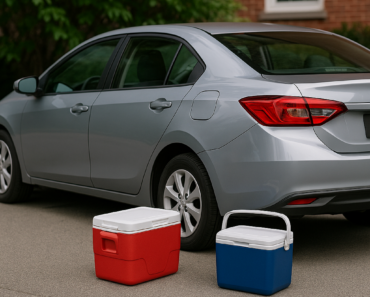
These are typically stored in:
-
Biohazard bags
-
Insulated coolers
-
Temperature-controlled containers
Why it matters: Patients are waiting on these samples for diagnoses — timing can be critical.
2️⃣ Pharmaceutical Deliveries



Couriers often deliver medications to:
-
Clinics
-
Nursing homes
-
Home-bound patients
-
Pharmacies
Common items:
-
Prescription medications
-
Infusion drugs
-
Insulin
-
Vaccines
-
Time-sensitive specialty medication
These often require:
-
Temperature control
-
Tracking
-
Confirmation signatures
Some routes are daily, others are STAT (urgent).
3️⃣ Medical Supplies & Equipment

Couriers commonly deliver:
-
Surgical tools
-
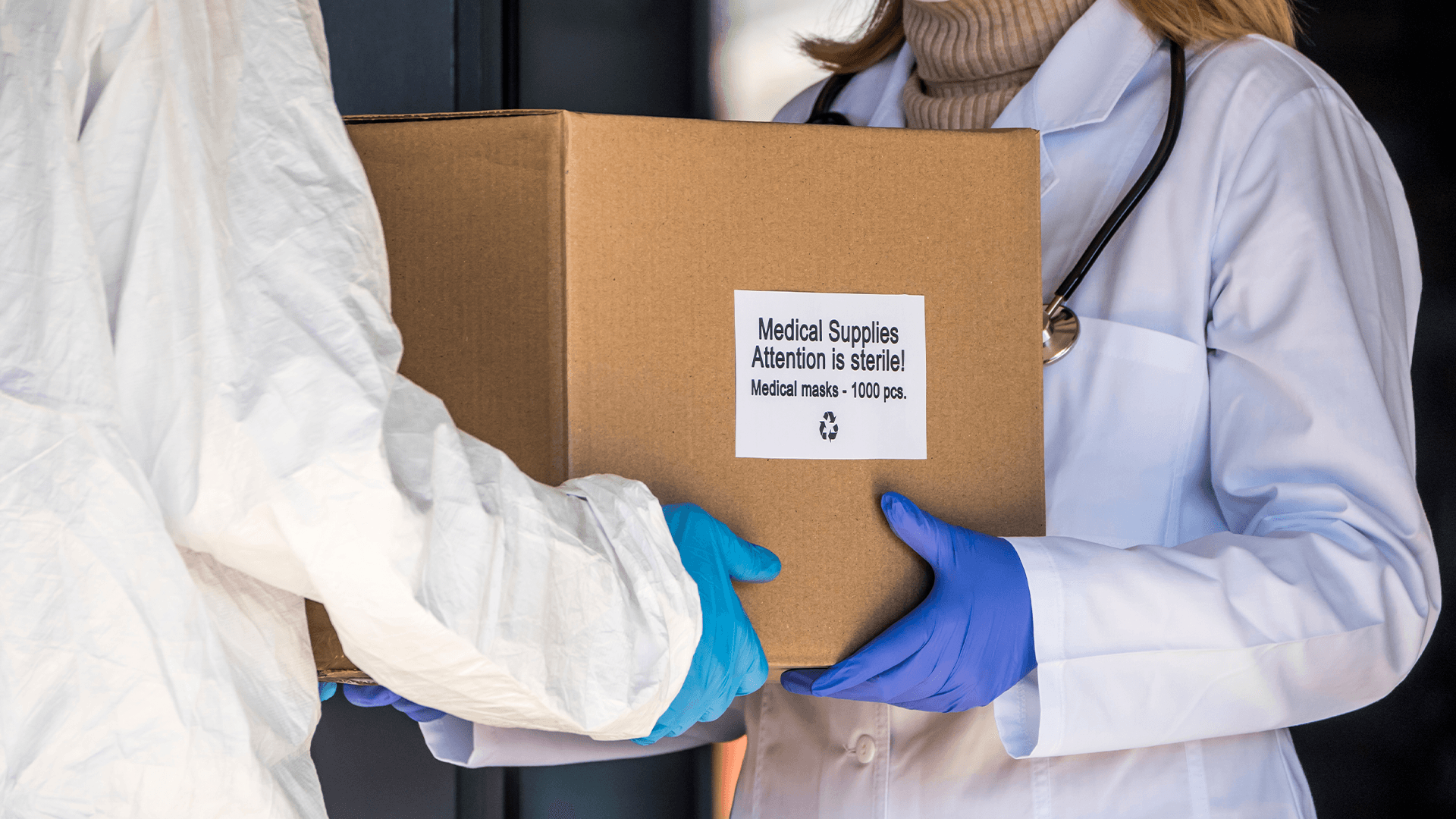
PPE (gloves, masks, gowns)
-
Sterile kits
-
Oxygen supplies
-
Wound care materials
-
Diagnostic testing kits
Some equipment is small and fits in your trunk.
Some requires SUV-size space.
These deliveries keep clinics running and stocked.
4️⃣ Paperwork & Medical Records



Although many systems are digital, physical documents are still critical in healthcare.
Couriers deliver:
-
Patient charts
-
Release forms
-
Billing paperwork
-
Insurance documents
-
Legal medical records
-
Time-sensitive medical reports
Chain-of-custody is often required, meaning:
-
Signatures
-
Timestamped pickups
-
Secure handling
This is simpler than specimen handling — but still important.
5️⃣ Imaging: X-rays, CT Scans & MRI Discs


Couriers may transport:
-
Imaging discs
-
Printed radiology films
-
Portable imaging equipment
These items often accompany:
-
Urgent specialist appointments
-
Surgical prep
-
Legal cases
They must be delivered securely and on time.
6️⃣ Pathology Materials & Surgical Items
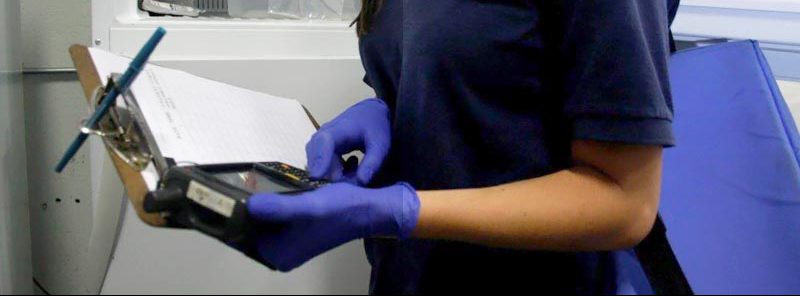
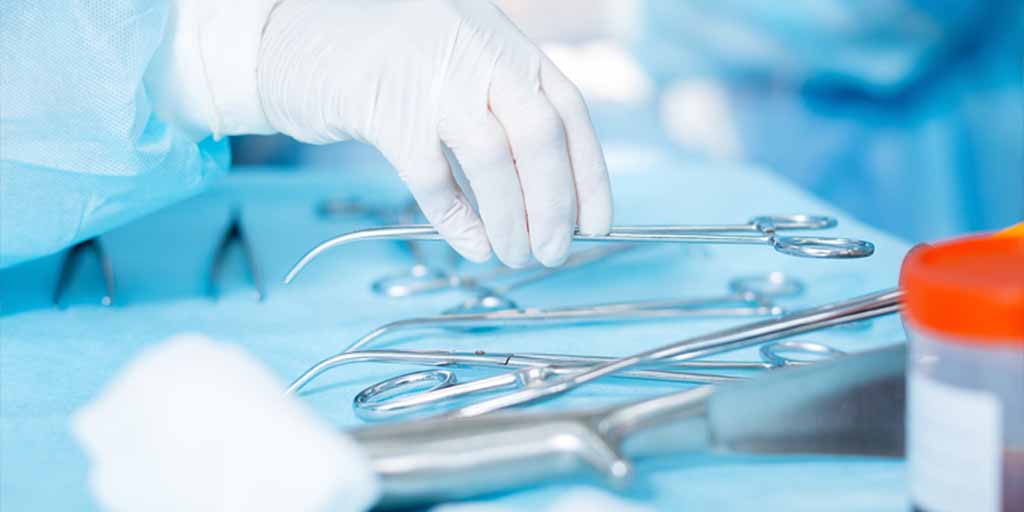
Some advanced courier routes include:
-
Post-surgery specimens
-
Tissue blocks
-
Frozen sections
-
Sterile surgical trays
These require strict handling and often temperature control.
Couriers delivering these items are often “senior” couriers with more experience.
7️⃣ Home Testing Kits
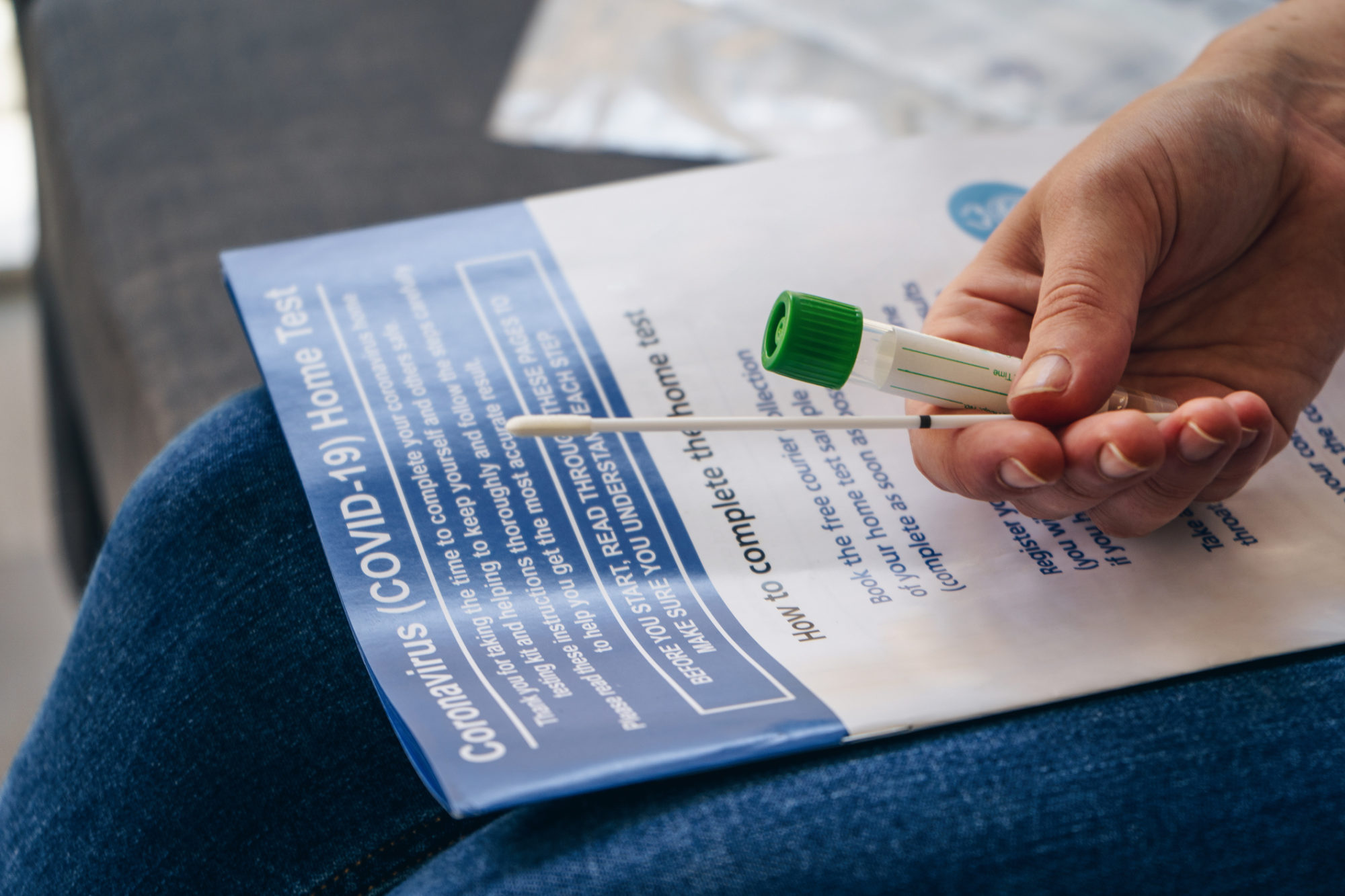
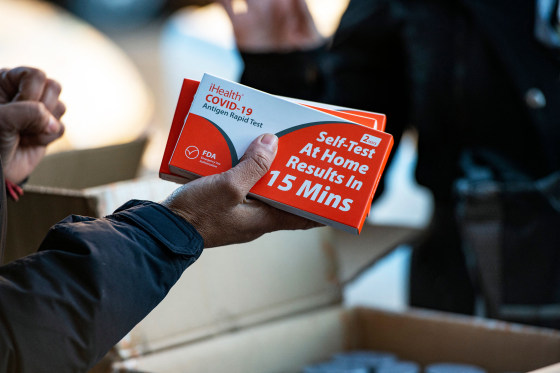

One of the fastest-growing areas.
Couriers now pick up:
-
Home COVID tests
-
DNA kits
-
Diabetes monitoring kits
-
At-home blood tests
-
Fertility testing kits
-
Allergy test kits
This is a major growth area in 2025 and beyond.
🧼 What Couriers Do Not Deliver
Couriers typically do NOT deliver:
-
Organs
-
Controlled substances without special licensing
-
Large medical machines
-
Radioactive materials
Those require specialized transport or federal certification.
🚫 Is It Dangerous?
No — medical courier work is not dangerous.
You’re not exposed to open biological material.
Everything is sealed, contained, and packaged by medical staff.
Your job is to:
-
Transport
-
Maintain temperature
-
Log delivery
-
Follow chain-of-custody
-
Handle items with care
Nothing more complicated than that.
🟢 Skills Needed to Handle These Deliveries
To deliver medical items safely, couriers need:
✔ Attention to detail
✔ Basic temperature awareness
✔ Ability to read labels
✔ Good communication
✔ Reliability
Courier companies usually train drivers — no medical background required.
🚀 Final Thoughts: Medical Couriers Deliver More Than People Realize
From lab specimens to medications to vital medical supplies, couriers are a crucial link in the healthcare system.
Understanding these items helps you:
-
Feel more confident on the job
-
Communicate better with clinics & labs
-
Reduce mistakes
-
Earn trust from dispatch
-
Qualify for higher-pay routes
This job matters — and you play a real role in patient care.