If you’re starting your medical courier career (or already delivering), one of the most confusing topics is insurance.
Do you need commercial insurance?
Does your personal policy cover courier work?
What actually happens if you get into an accident on a route?
This guide breaks everything down into simple, clear steps — so you always stay compliant and protected.
🔍 Why Insurance Matters for Medical Couriers


Medical couriers drive a lot — often 100–200+ miles per day.
Because you’re transporting sensitive materials for a company while using your personal vehicle, insurance companies classify this as business use.
That means:
-
Claims may be denied under a personal policy
-
You could be financially responsible for damages
-
You may violate your policy without even realizing it
Payouts for accidents can be $10,000–$100,000+, so getting the right coverage matters.
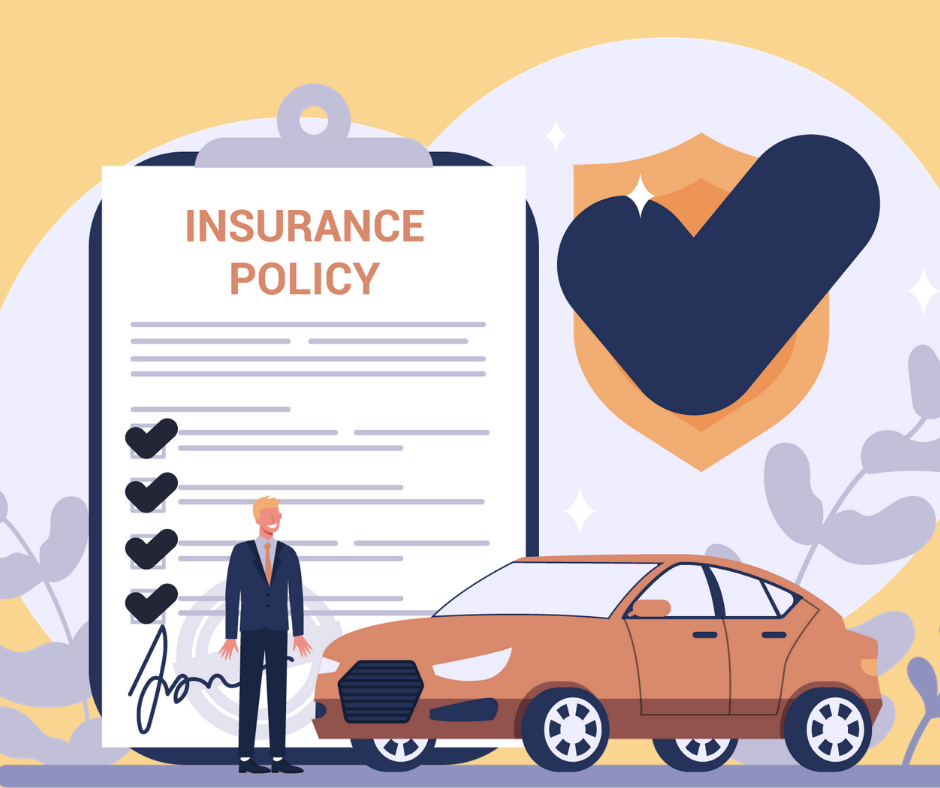
🛡️ 1. Personal vs. Commercial Insurance: What’s the Difference?
✔ Personal Auto Insurance
Covers normal everyday driving.
⛔ Does NOT cover you when you’re:
-
Driving for pay
-
Transporting medical specimens
-
Working as an independent contractor
-
Driving a route for a courier company
If an accident occurs while “on the job,” many insurers will deny the claim.
✔ Commercial Auto Insurance
Designed for business use.
Covers you when:
-
You’re transporting medical materials
-
You’re paid per route or contracted
-
You’re driving for business purposes
This is the safest and most compliant option — but not always required.
🛡️ 2. Do You Have to Get Commercial Insurance?
Here’s the truth:
🚦 Most medical courier companies DO NOT require commercial auto insurance.
Instead, they require:
-
Personal auto insurance
-
A valid driver’s license
-
A safe, reliable vehicle
But…
If you are independent contractor (1099), you are technically using your car for business.
This creates a gray area that depends on:
-
Your state
-
Your insurer
-
Your contract
✓ The safest option:
Ask your insurance agent:
“Do you offer a business-use endorsement for delivery drivers or medical couriers?”
This is cheaper than full commercial insurance and gives you extra protection.
🛡️ 3. Business-Use Endorsements (The Secret Most Couriers Use)



A business-use endorsement is an add-on that upgrades your personal policy.
It usually costs:
$12–$40 per month
Benefits:
-
Covers you while driving routes
-
Avoids denied claims
-
Matches courier company requirements
-
Much cheaper than commercial insurance
This is what 80%+ of independent couriers use.
🛡️ 4. Full Commercial Auto Insurance (When You Actually Need It)
You only need full commercial auto insurance if:
✔ You hire employees
✔ You run your own courier business
✔ You lease vehicles
✔ You deliver high-value items
✔ Your contract specifically requires it
The annual cost is significantly higher:
$2,500–$4,500 per year
(~$200–$380 per month)
Most solo couriers don’t need this, unless they’re scaling into a full business.
🛡️ 5. How Much Does Insurance Cost for Medical Couriers?
Here’s a realistic breakdown for 2025:
| Insurance Type | Cost | Who It’s For |
|---|---|---|
| Personal Auto Insurance Only | Normal rate | Very small routes / not recommended |
| Business-Use Endorsement | $12–$40/month | Independent couriers, 1099 drivers |
| Full Commercial Insurance | $200–$380/month | Businesses with employees / fleet |
Most new couriers choose a business-use endorsement — the perfect middle ground.
🛡️ 6. Best Insurance Companies for Medical Couriers (2025)
These companies commonly work with couriers:
-
State Farm
-
Progressive
-
GEICO (varies by state)
-
Allstate
-
Farmers Insurance
-
Nationwide
Best practice: call your agent and say:
“I’m an independent contractor medical courier. I need coverage for business use while driving my personal vehicle.”
This gives you the exact policy you need without overspending.
🛡️ 7. What Happens If You Get Into an Accident Without the Right Coverage?
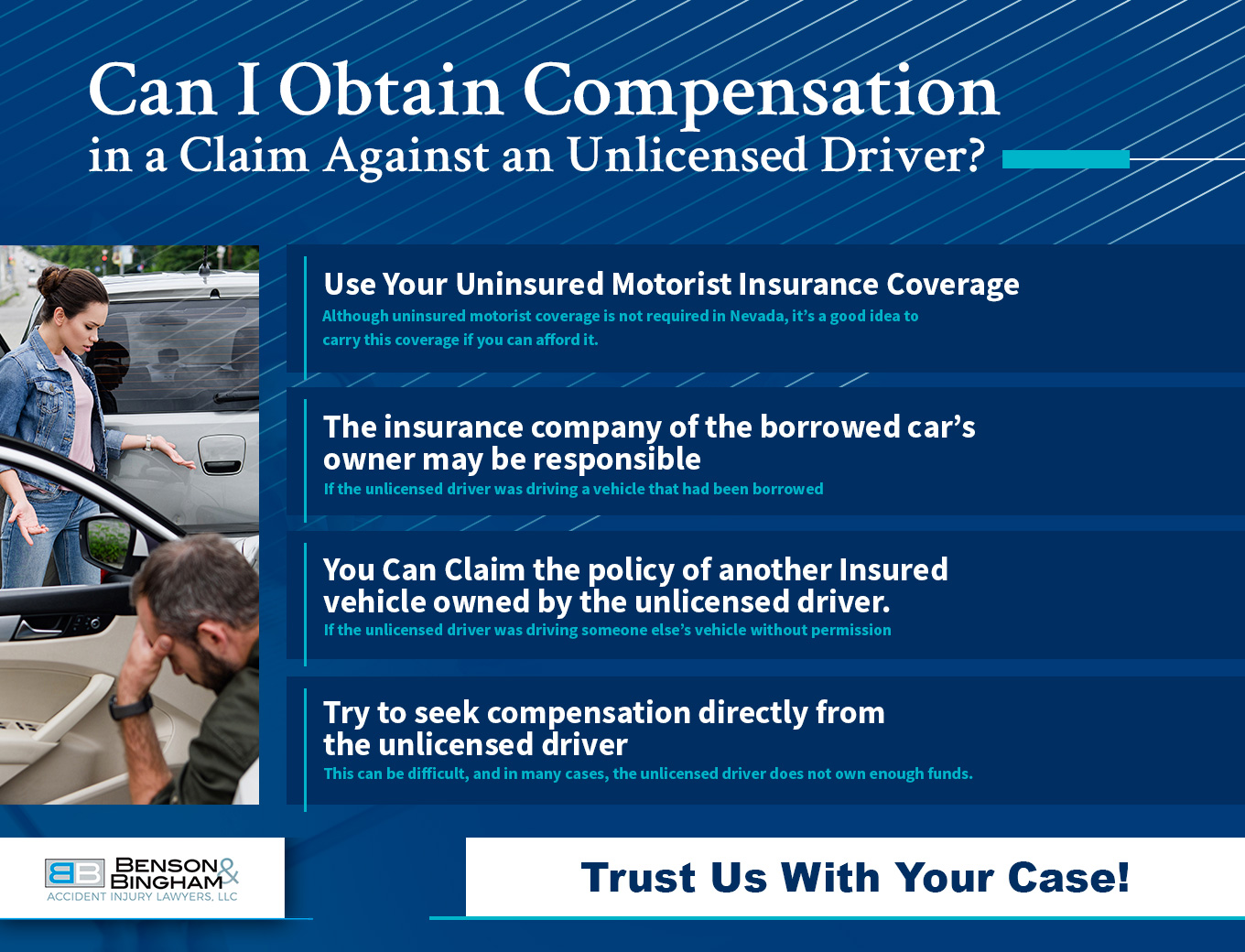

This is where things get serious.
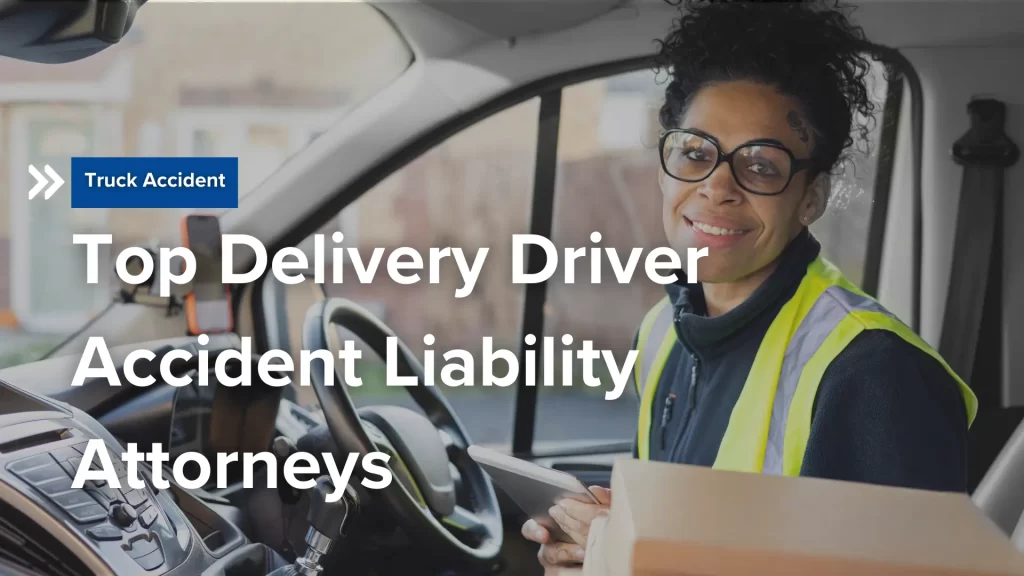
If you’re working and only have a personal policy:
⛔ Claim may be denied
⛔ You may owe for repairs to your own vehicle
⛔ Liability costs may fall on you
⛔ Courier company is not responsible
Accidents happen — having proper insurance prevents financial disaster.
🛡️ 8. How Courier Companies Protect Themselves
Most companies require:
✔ Background check
✔ Valid driver’s license
✔ Proof of personal insurance
✔ Signed contractor agreement
But they do not give you insurance.
You are responsible for your own coverage as a 1099 driver.
🚀 Final Takeaway: Insurance = Protection + Professionalism
You don’t need to overspend to protect yourself.
For 90% of medical couriers, the best option is:
✅ Personal Auto Insurance
✅ Business-Use Endorsement
It’s affordable, compliant, and keeps you protected at all times.